

-
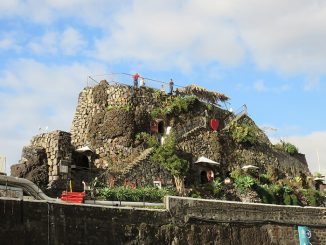 Along with established national states, the planet has a scatter of anomalous and/or autonomous territories whose existence is performed in various ways. These include officially recognised archaic micro-jurisdictions (such as those operating in the Channel Islands, off the west coast of Normandy, France); self-proclaimed micro–nations in various regions; territories established offshore in efforts to escape national control; rhetorical utopias that have no material existence; and territories created in traditional and new media that intersect with material reality in various ways. These entities are significant for affronting the fixity of nation states and their boundaries through their détournement of various aspects [...]
-
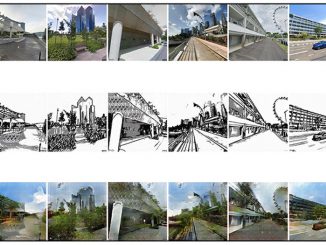 This special issue entitled Artificial Creativity aims to foment discussion around the cultural, societal, and ethical aspects of robots or AI engaged in creative production. On the one hand, one can ask: what are the possibilities and potential pitfalls of AI technologies in the cultural sector? For example, AI makes its recommendations and choices based on its exposure to large databases, and yet Lev Manovich warned about the “increasing automation of the aesthetic realm”, which might, over time, reduce cultural diversity (Manovich 85). On the other hand, AI technologies encourage debate about the meaning of creativity. Some authors suggest revisiting [...]